Welcome to C&Q amusement website!
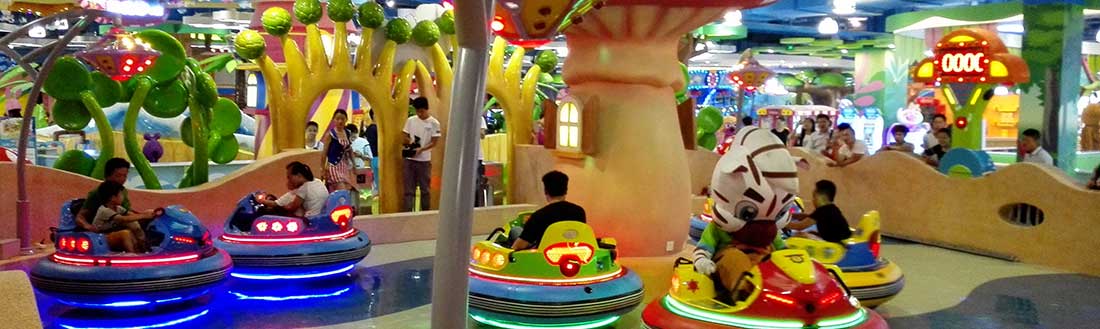
For a child, a ride can be much more than a few minutes of movement. A small train can become an expedition through a jungle, a rotating vehicle can turn into a flight through space, and a colorful carousel can become the center of an imaginary story. This is the idea behind modern kiddie amusement rides: the ride provides the physical experience, while the theme gives children a reason to imagine, explore and remember it.
That distinction becomes important when an amusement park or family entertainment venue wants to create a recognizable attraction rather than simply install several children's rides in the same area. The vehicle, characters, scenery, lighting, sound and interactive features all need to tell the same story. When they work together, even a relatively simple ride can feel like part of a much larger world.
For developers, this also changes the way a ride should be selected and developed. Instead of choosing a ride first and adding decoration afterward, the theme, target age group, ride experience and surrounding environment can be planned as one concept. Working with experienced kiddie rides manufacturers at this stage can help translate the creative idea into a practical attraction that is visually distinctive, engaging for children and suitable for everyday operation.
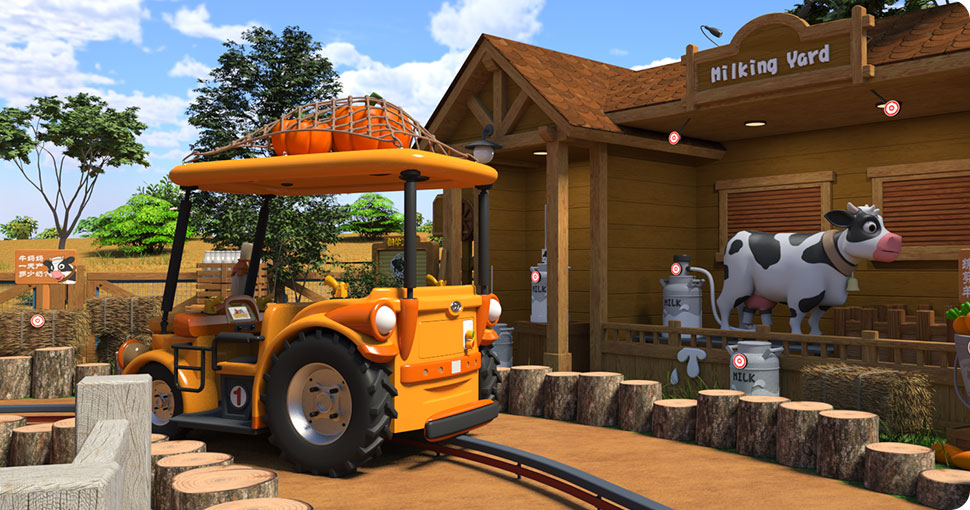
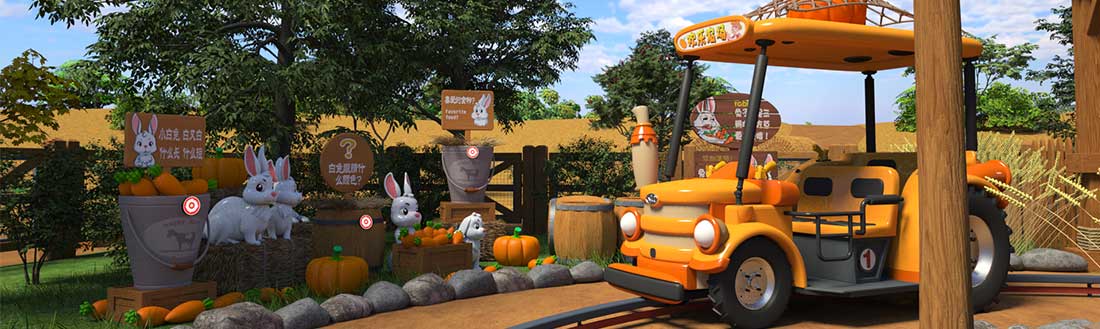
A strong themed attraction usually starts with a simple story rather than a collection of decorative ideas. Children do not need a complicated narrative to understand an attraction. A basic concept such as exploring a rainforest, travelling through a fantasy village, visiting a farm or taking a journey into outer space can provide enough context for the ride and its surrounding environment.
The intended age group should shape that story from the beginning. Younger children often respond well to recognizable animals, friendly characters, simple environments and clear visual relationships. Attractions designed for somewhat older children can introduce more elaborate adventures, vehicles, missions or fantasy scenarios. The theme should therefore match not only the visual preferences of children but also how easily they can understand and participate in the story.
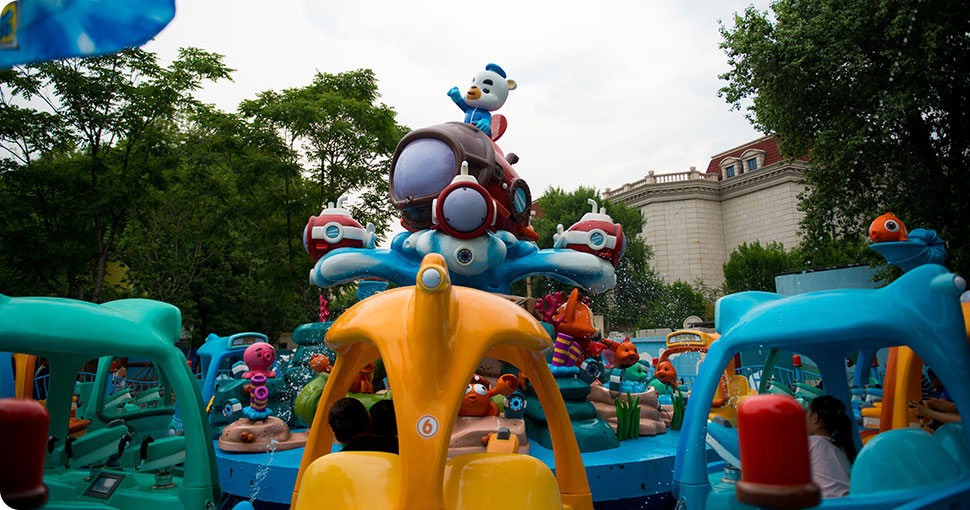
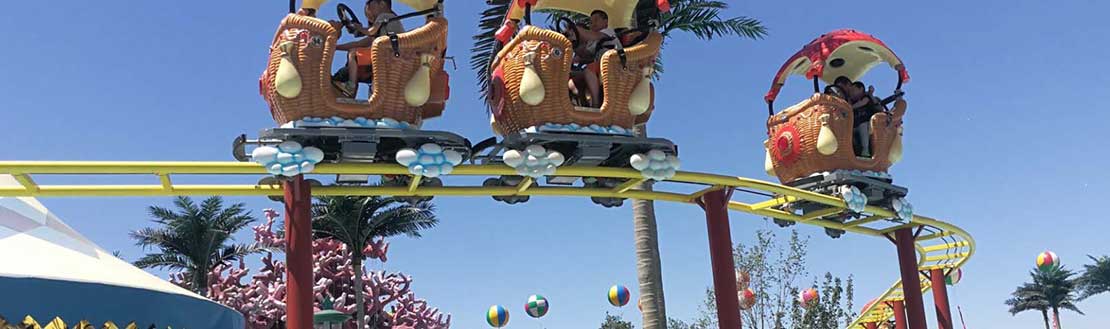
The ride type also needs to make sense within that concept. A miniature train naturally suggests travelling from one location to another, while a flying vehicle can support an exploration or aviation theme. A spinning ride might work naturally within a playful carnival or fantasy concept. When the basic movement of the attraction already supports the story, the theming feels integrated rather than added afterward.
This is where the early involvement of kiddie rides manufacturers can make a difference. Developers can explain the intended theme and visitor experience before the final ride configuration is selected. Factors such as vehicle shape, seating, movement, loading arrangements and available space can then be considered alongside the creative concept.
Once the story has been established, the ride should become one of the main storytelling elements. Instead of placing themed graphics around a standard attraction, designers can consider how the vehicle, movement and sequence of scenes contribute to the narrative.
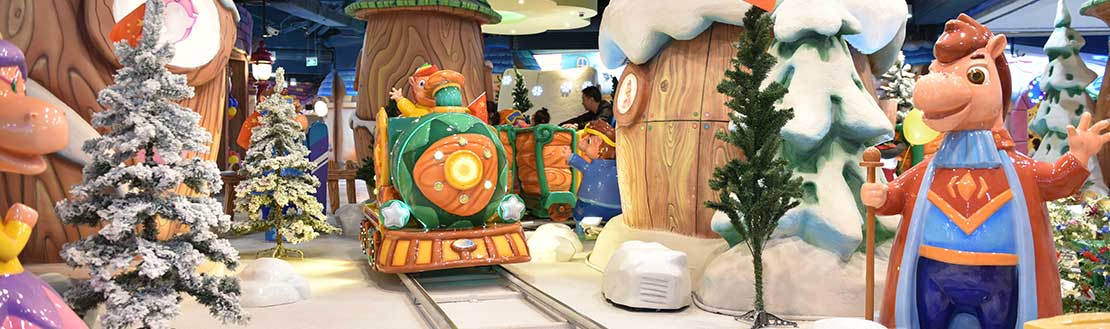
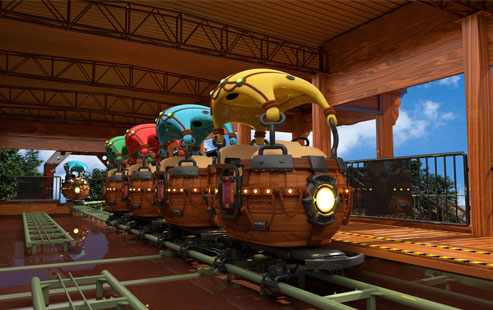
Imagine a children's train designed around an exploration adventure. The train itself becomes the means by which children enter the story. The first scene may introduce the destination, the following sections reveal different environments and the final area can provide a simple conclusion to the journey. The mechanical movement has now become part of the narrative structure.
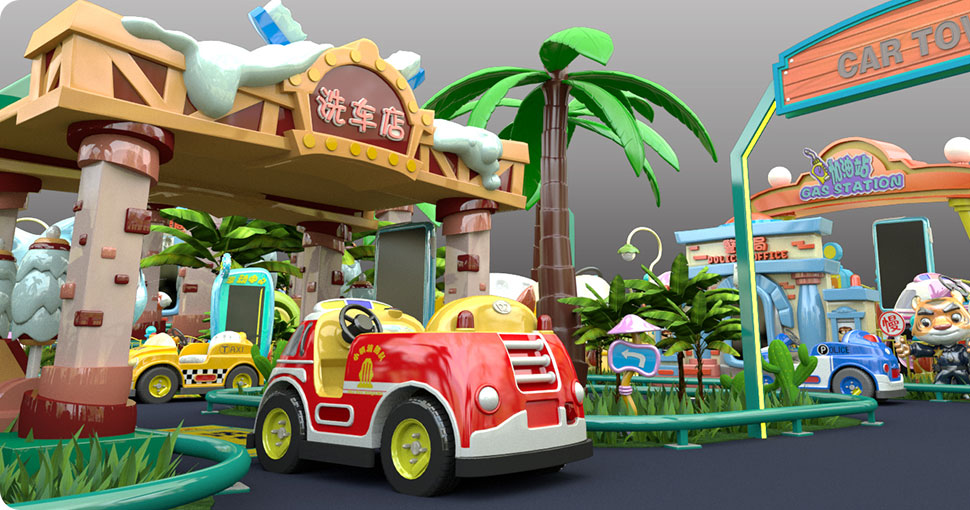
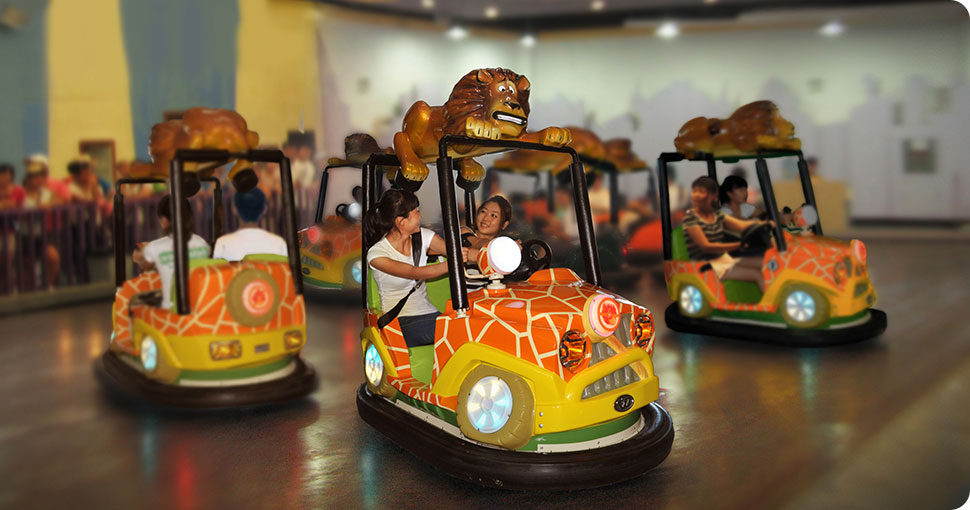
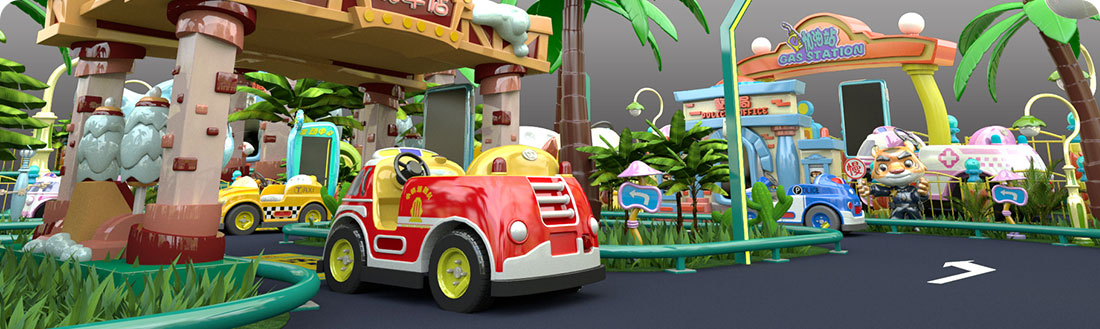
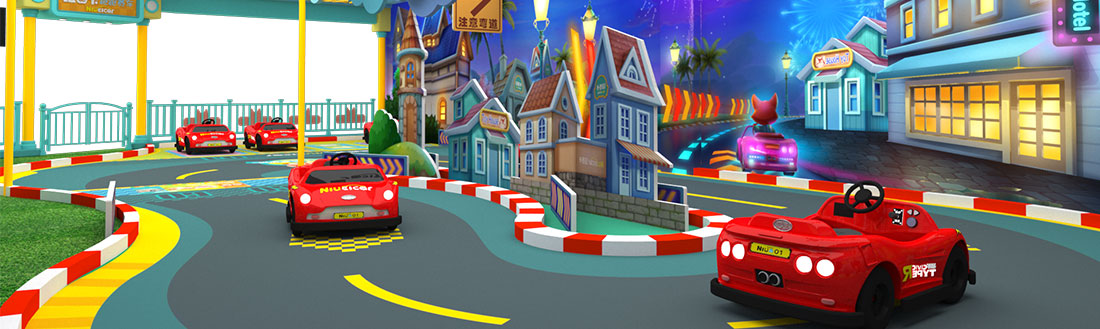
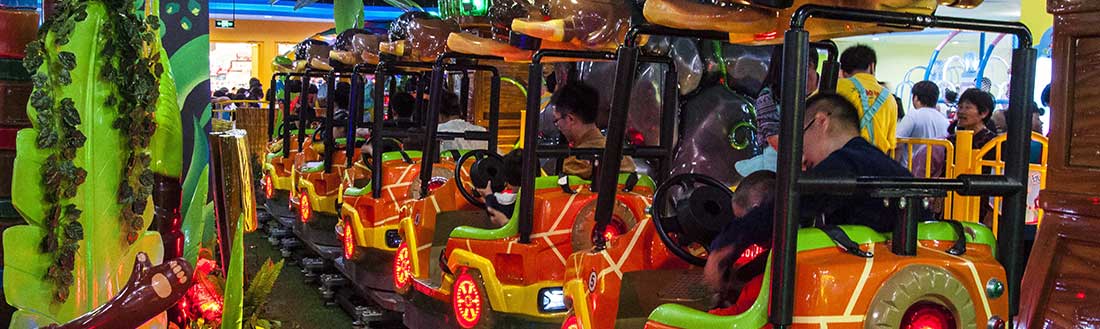
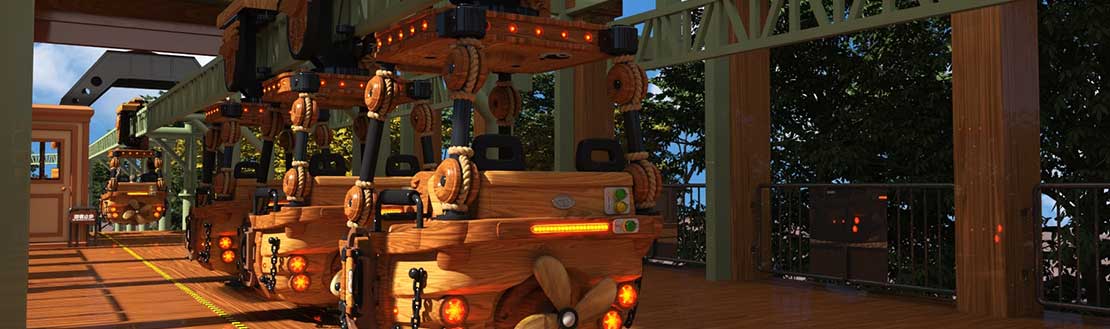
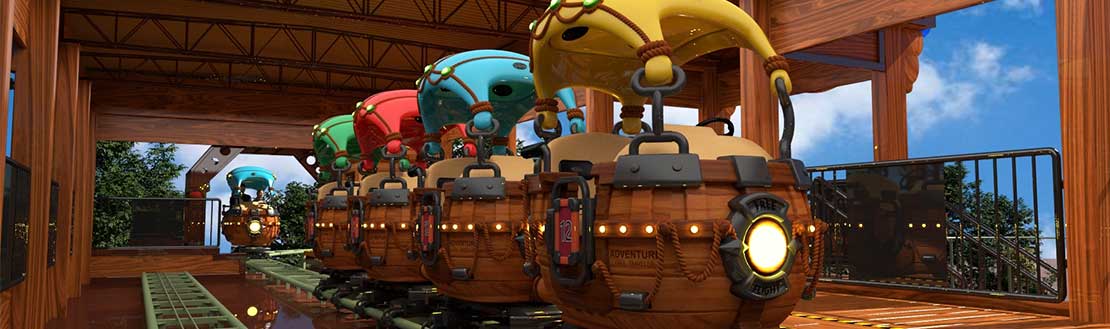
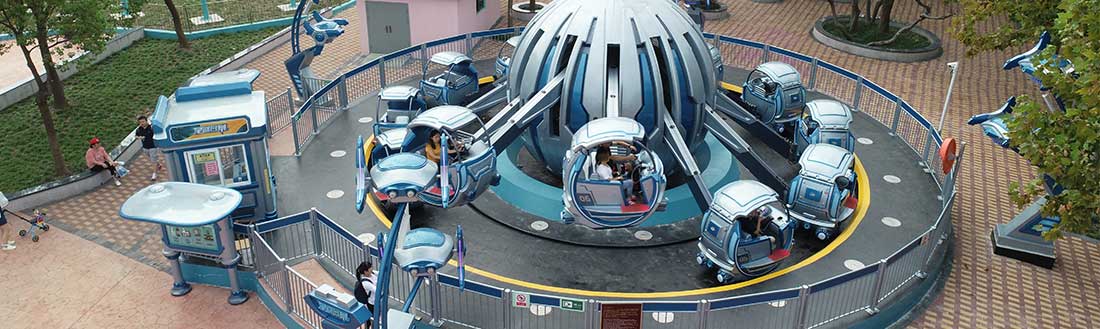
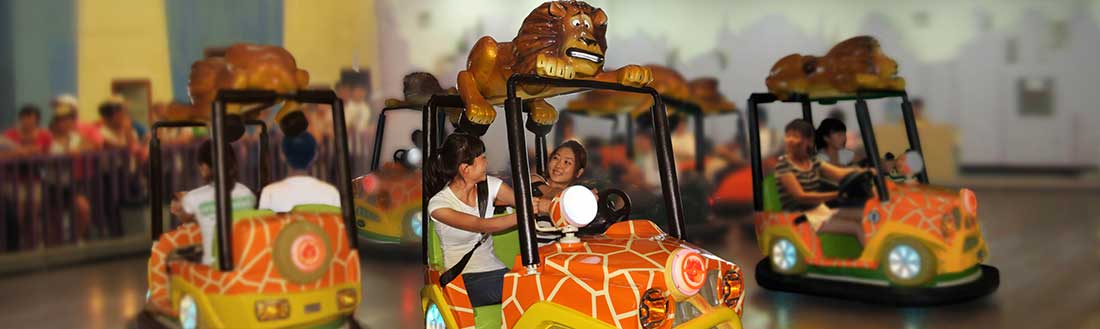
Vehicle design can reinforce this effect. A conventional-looking vehicle can be visually transformed into a safari jeep, spacecraft, fantasy carriage or miniature construction vehicle, depending on the story. Children are no longer simply sitting on a ride; they are taking part in an activity that has a recognizable purpose within the fictional world.
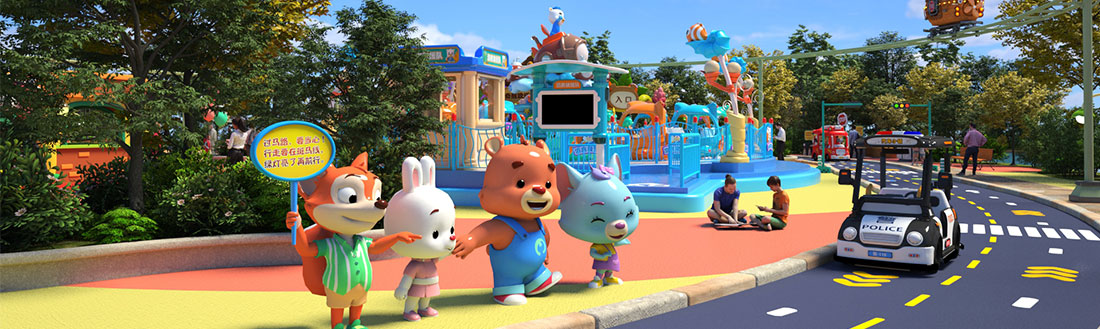
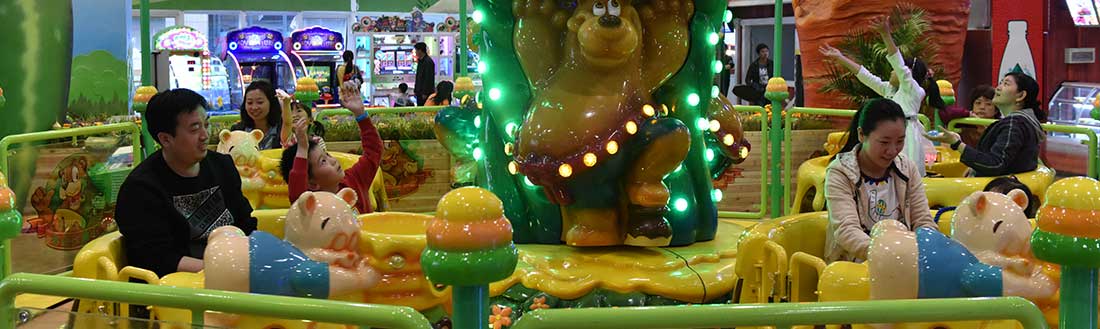
Characters can perform a similar role. A friendly animal waiting beside the track, a pilot standing near a themed vehicle or a fictional character appearing at the end of a journey gives children visual points of reference. Repeating selected characters throughout the attraction can also help create continuity between different scenes.
Motion should support the concept without becoming disconnected from it. A ride designed as a flying adventure should feel visually different from one based on a railway journey, even if both use relatively straightforward movement systems. The creative and technical teams should work together so that the desired experience remains compatible with the ride's actual operating characteristics.
| Element | Storytelling function | Design consideration |
|---|---|---|
| Ride vehicle | Places the child inside the fictional world | Appearance, seating, accessibility and operational practicality |
| Ride motion | Creates the physical progression of the story | Movement should suit the intended audience and attraction concept |
| Characters | Give children recognizable figures to follow | Placement, visibility and consistency across scenes |
| Scenery | Establishes the environment surrounding the ride | Visual continuity without compromising circulation or operation |
| Sound and lighting | Strengthen atmosphere and transitions | Coordinate effects with ride operation and visitor comfort |
For customized projects, this integrated approach allows kiddie rides manufacturers to consider the attraction as a complete system instead of treating theming as an external layer. The result can be a ride whose appearance, movement and environment all reinforce the same concept.
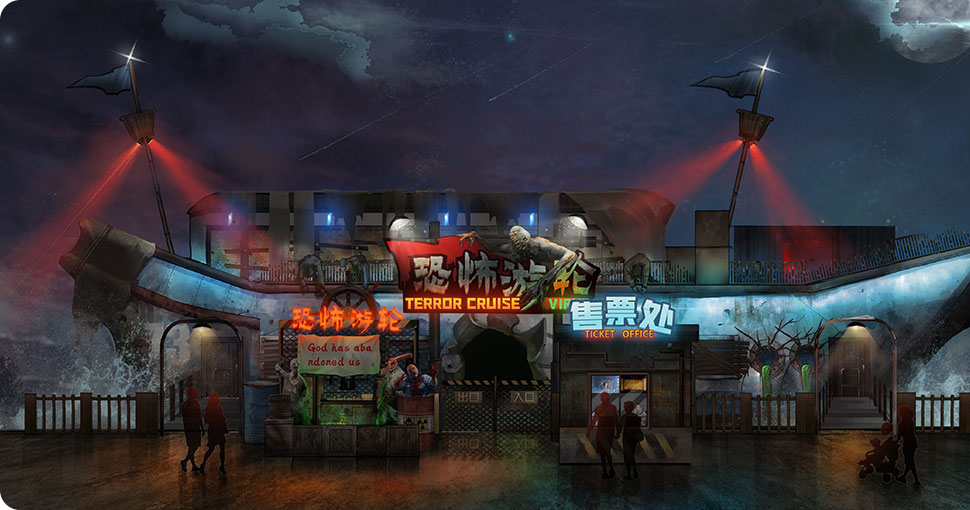
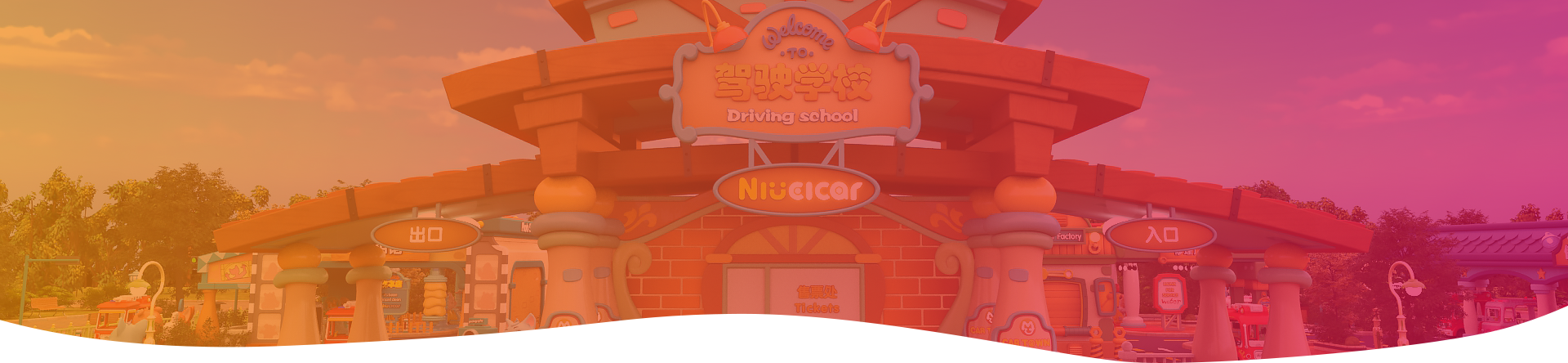
Even a well-themed ride can feel disconnected if the surrounding area looks completely different. Children experience an attraction before they board it, starting with the approach path, entrance and queue. These spaces therefore have an important role in establishing the story.
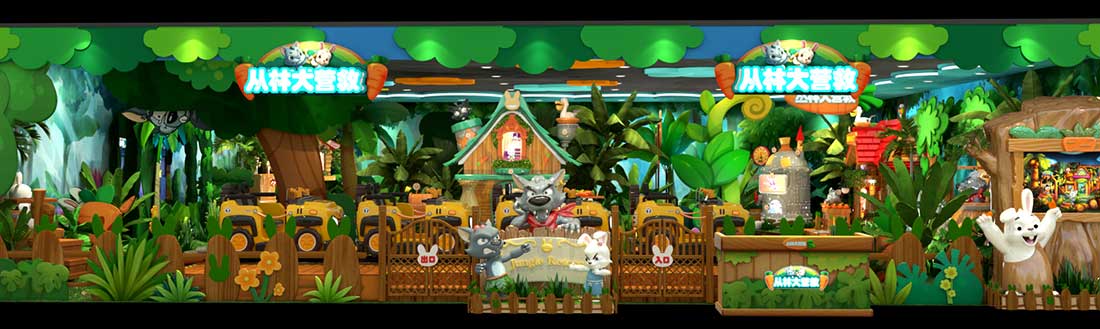
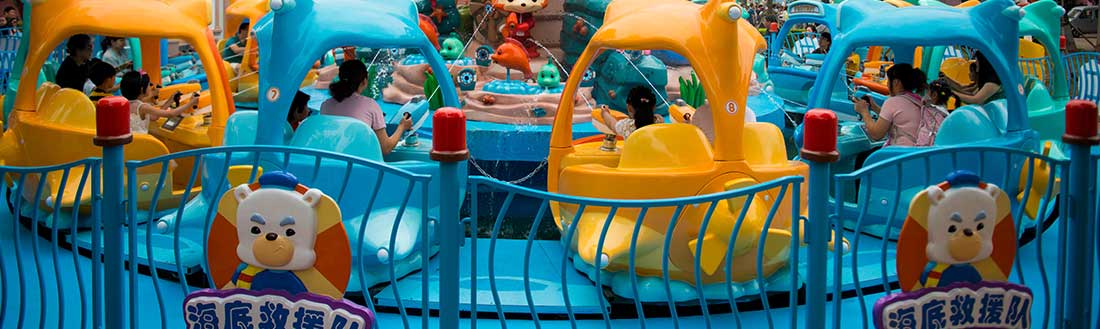
Color is often the first visual connection. A jungle-themed attraction might use natural greens, earthy surfaces and animal-inspired details, while a space-themed area might incorporate planetary imagery and illuminated architectural elements. The purpose is not simply to use bright colors. The visual palette should help visitors recognize that the ride, its surroundings and its characters belong to the same world.
Scenery can then create depth around the ride. Trees, rocks, buildings, miniature landscapes, themed structures and character installations can make a relatively small attraction feel larger. At the same time, scenery needs to be positioned carefully so that it does not interfere with loading, unloading, operator visibility, maintenance or guest circulation.
Lighting can change the atmosphere throughout the day and can help emphasize important visual elements. It can draw attention toward the entrance, highlight characters or create a transition between different sections of a themed area. For children's attractions, lighting should remain appropriate to the intended environment and should not compromise visibility where clear observation is necessary.
Sound adds another layer to the experience. Background music, environmental effects and character sounds can make an otherwise static scene feel active. More importantly, a consistent soundscape can connect individual attractions even when they are physically separated.
For kiddie amusement rides, the surrounding environment should therefore be considered part of the attraction rather than simply decoration placed around it. The strongest themed areas allow children to recognize the story from multiple sensory cues as they move through the space.

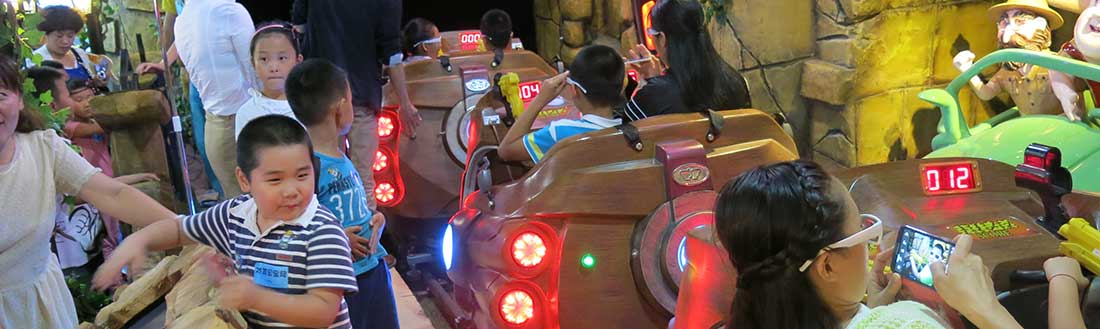
Watching a themed attraction can be entertaining, but participating in it can create a much stronger sense of involvement. Children often respond enthusiastically when they can press something, discover something or influence what happens around them.
Interaction does not have to mean complicated digital technology. A child might press a themed button that activates a light, operate a miniature control panel, trigger a sound effect or discover a character hidden within the scenery. These small moments can give children the feeling that they are helping to move the story forward.
The strongest interactive features have a clear connection with the attraction concept. A spacecraft-themed ride might include a launch control, while an exploration-themed attraction could incorporate discovery points along the route. Because the interaction belongs to the story, it feels like part of the experience rather than an unrelated game placed beside the ride.
Interactive elements should also be designed according to how children actually use attractions. Controls need to be understandable and durable, while their location should not interfere with seating, restraints, loading procedures or operator visibility. The feature should also remain accessible to the intended age group without creating unnecessary operational complexity.
This is another area where communication with kiddie rides manufacturers during the design stage can be useful. Depending on the project, interactive functions can be incorporated through mechanical features, electrical systems, lighting, sound or digital controls. The most appropriate approach depends on the theme, ride configuration and operating environment.
A collection of children's rides does not automatically become a themed area simply because every ride is colorful. The individual attractions need enough common visual and narrative language to make the environment feel intentional.
One way to achieve this is by establishing a shared story world. Several kiddie amusement rides can represent different parts of the same fictional setting. One ride might take children on a journey through a forest, another might represent a visit to a village and a third could become an exploration mission. Each attraction remains distinct while contributing to the same overall environment.
Characters are particularly useful for creating these connections. The same character family can appear at different ride entrances, on signs, in scenic elements or within the attractions themselves. This repetition gives children something familiar to recognize as they move around the area.
Architecture and pathways can reinforce the connection as well. Consistent colors, paving patterns, structures, landscaping and signage can make the space feel like one destination instead of several unrelated ride installations. Even the queue areas can become part of the storytelling rather than being treated simply as waiting spaces.
This approach is especially useful for larger family entertainment projects where several rides need to be installed over time. Working with kiddie rides manufacturers early can help developers maintain consistency in vehicle styling, ride appearance, technical requirements and overall theming as the attraction area expands.
The creative concept is only one part of a successful children's attraction. Once the ride opens, it needs to operate repeatedly and predictably while accommodating children, parents, operators and maintenance teams. Themed elements should therefore be developed alongside practical requirements rather than added after the ride design is complete.
Safety influences the placement of scenery, interactive components and decorative structures. These elements should not create unnecessary obstacles around guest circulation or interfere with the operator's ability to monitor the attraction. Maintenance access also needs to be considered so that routine inspection and servicing do not require major disruption to the themed environment.
The intended age group is another important factor. The ride's movement, seating configuration, restraint system, interactive features and visual stimulation should correspond with its intended users and applicable requirements. Clear communication with operators and families can also help ensure that children use the attraction appropriately.
Operational efficiency matters as well. Loading and unloading need to be practical, particularly for attractions that experience continuous family traffic. A ride may have an appealing concept, but if its daily operating process creates unnecessary delays, the overall visitor experience can suffer.
For developers evaluating equipment alongside a larger themed attraction concept, CQA Amusement's kiddie amusement ride products provide a starting point for considering ride configurations that can be incorporated into family-oriented entertainment environments.
When the project requires a customized ride concept, specific appearance requirements or discussion about integrating equipment into a themed environment, developers can contact CQA Amusement to discuss the project requirements directly. Early coordination can make it easier to align the creative concept with the practical characteristics of the attraction.
The most memorable kiddie amusement rides do not simply move children through a mechanical cycle. They give children a world to enter, characters to recognize and a simple story that makes the experience feel meaningful.
That experience begins with the relationship between the story and the ride. Once the theme is established, vehicle design, movement, characters, scenery, color, lighting, sound and interactive elements can reinforce the same narrative from different directions. When several attractions share those elements, individual rides can become part of a much larger themed environment.
At the same time, immersion has to work alongside safety, maintenance, accessibility and everyday operation. Early cooperation with experienced kiddie rides manufacturers can help developers translate a creative idea into an attraction that is practical as well as visually distinctive.
The result is more than a collection of children's rides. It is an environment where the ride, the story and the surrounding space work together to give young visitors an experience they can understand, participate in and remember.
Kiddie amusement rides can be adapted through vehicle styling, colors, characters, scenery, lighting, sound and interactive features. These elements allow the physical ride to become part of a larger story or themed environment.
The theme should match the intended age group, ride type and surrounding environment. Simple concepts such as animals, exploration, fantasy, transportation and space can provide an understandable narrative foundation for children.
Yes. The vehicle, ride motion, characters and sequence of scenes can all contribute to the narrative. A ride feels more immersive when its physical experience naturally supports the story.
Depending on the attraction, interactive features can include themed controls, buttons, lights, sounds, discovery elements and other age-appropriate functions. The interaction works best when it has a clear connection with the attraction's story.
Early collaboration allows the ride configuration, vehicle appearance, theming, interaction and operational requirements to be considered together. This can reduce conflicts between the creative concept and the practical ride design.
Theming should be integrated around practical requirements from the beginning. Guest circulation, operator visibility, loading areas, maintenance access, ride operation and applicable safety requirements should all be considered alongside the visual design.
 English
 中文