Welcome to C&Q amusement website!
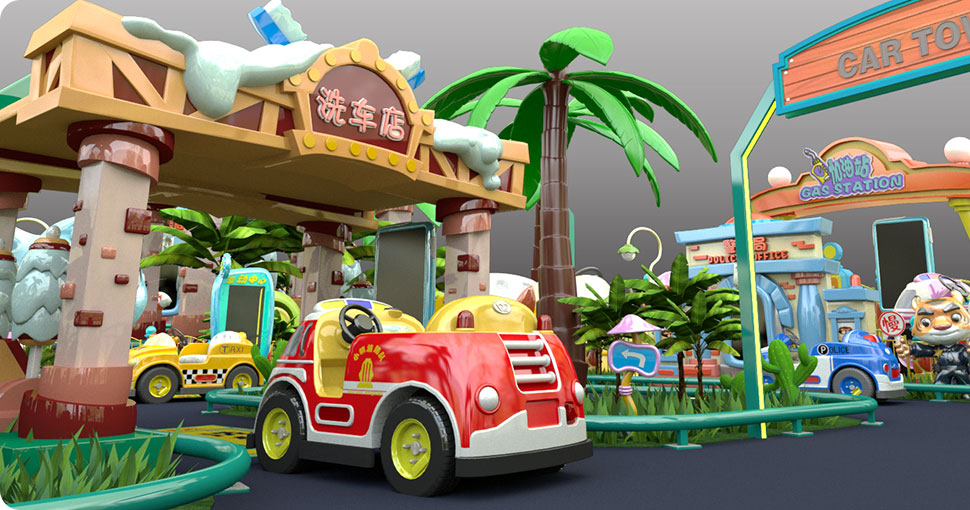
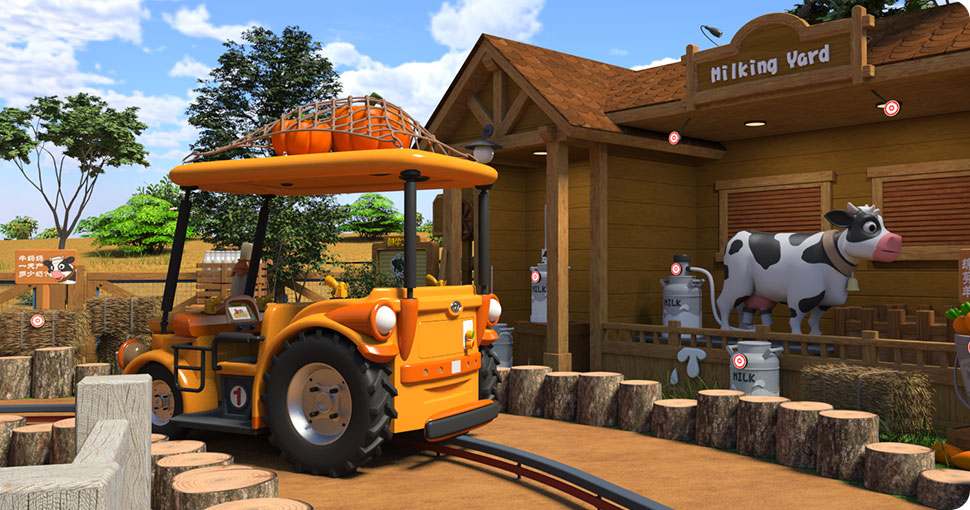
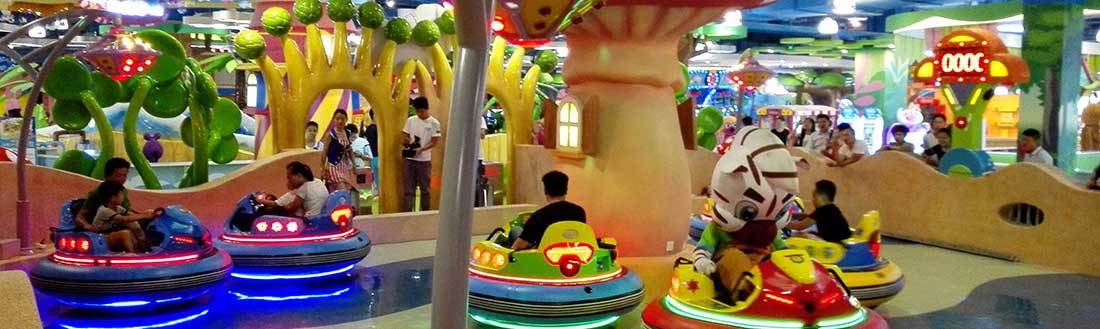
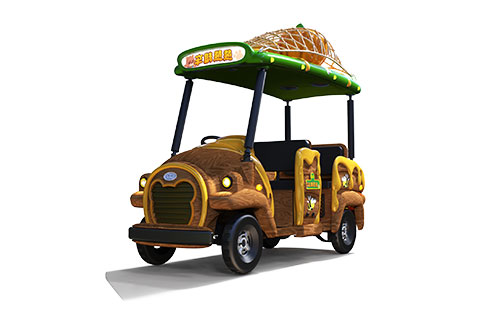
In 2026, the competition between theme parks, family entertainment centers, cultural tourism destinations, and resort attractions is no longer decided by ride count or square footage alone. It is decided by immersion—how completely a guest feels transported into the park's story world from the moment they step through the gate to the moment they share a photo on social media. Amusement park cars have become one of the most underutilized tools in this competition. When designed generically, they move guests from point A to point B. When designed with intention, electric cars in amusement park environments become moving IP assets: they carry the park's colors, display its mascot, create parent-child photo moments, and generate the kind of visitor-shared content that no advertising budget can fully replicate. C&Q Amusement offers amusement park car rides including kids driving school cars, kiddie go-karts, and cartoon-style electric cars, and supports customized amusement park equipment development where vehicle styling, colors, and interactive elements can be aligned with each park's IP and operating scenario.

The pain point is easy to overlook because it is invisible in isolation. A generic ride car does not cause an incident. It does not break down more often. It does not fail a safety inspection. What it does is quietly dilute every other brand investment the park has made.
Consider the guest journey. A family arrives at a park that has invested in a beautifully themed entrance, a recognizable mascot, carefully designed retail merchandise, and a distinctive color palette throughout the grounds. They queue for the driving attraction. The car they board is a standard off-the-shelf vehicle in a neutral color with no logo, no character, no connection to the world they just walked through. The moment of immersion breaks. The photo they take shows a generic car, not a branded experience. The social media post, if it happens at all, does not tag the park or display its identity.
For B2B operators, this gap between brand investment and ride vehicle design creates measurable consequences:
Ride vehicles that look identical to competitors' equipment, removing differentiation
No logo, mascot, or IP storytelling on the car body, wasting a high-visibility brand surface
Limited photo value for visitors, reducing organic social media sharing
Weak connection between the ride and the themed environment surrounding it
Harder to justify premium ticket pricing when the ride experience feels generic
Inconsistent guest experience across park zones that otherwise tell a coherent story
Lower repeat visitation motivation when the attraction leaves no distinctive memory
The key message for procurement teams and park operators is this: a generic car may transport guests, but a custom-themed amusement park car transports them into the park's IP world. The difference is not just aesthetic—it is commercial.
Amusement park cars are ride vehicles designed for entertainment venues, theme parks, family amusement centers, children's parks, scenic areas, shopping malls, and resort attractions. Depending on the project, they operate as track rides, kids driving school cars, go-karts, cartoon electric cars, or themed interactive ride vehicles. The category is broad, but the customization opportunity is consistent across all types: every car body is a canvas for IP expression.
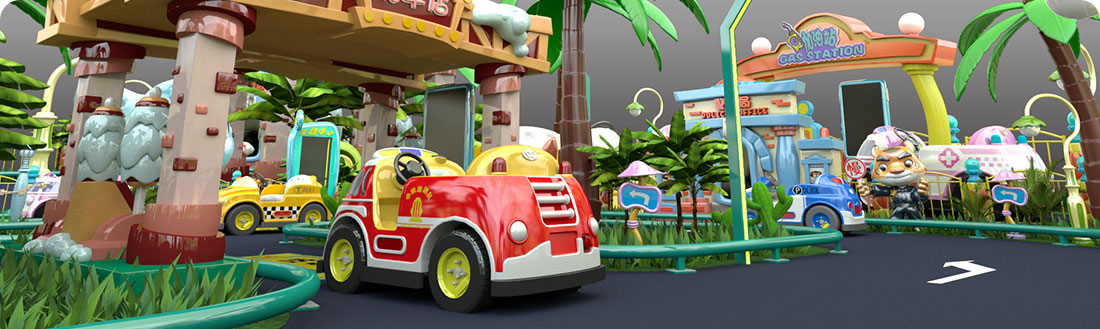
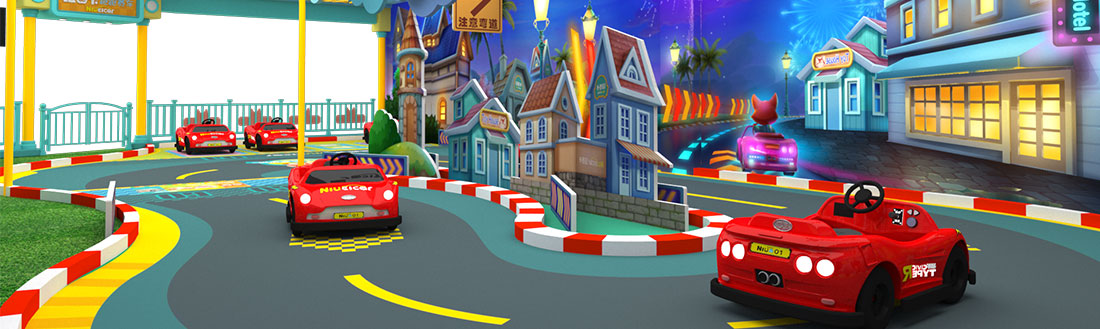
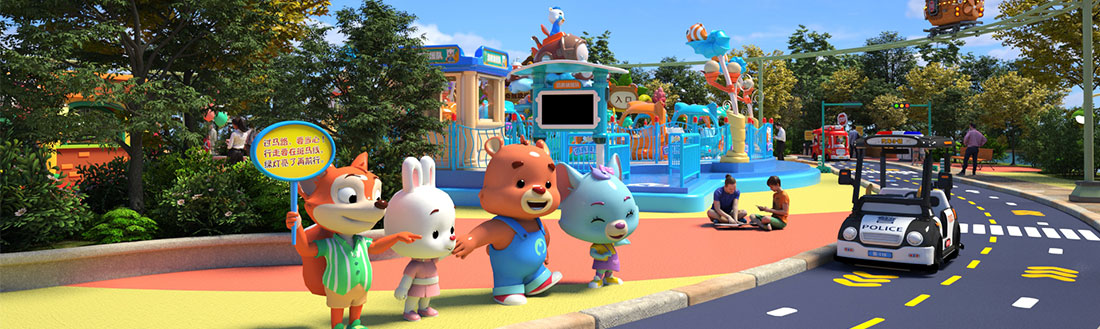
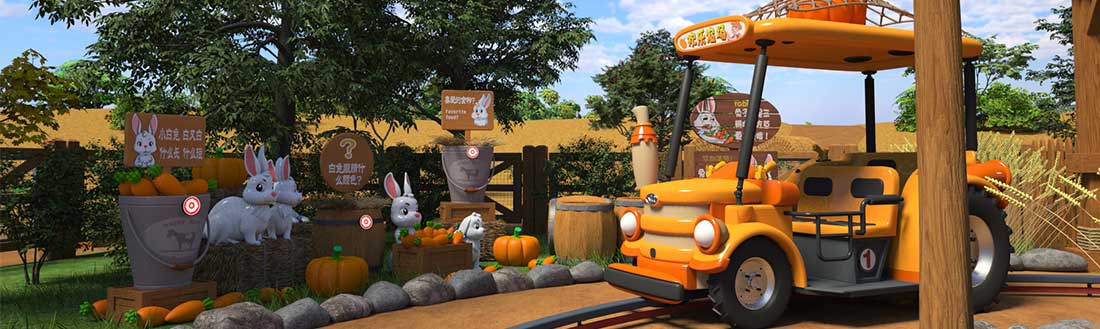
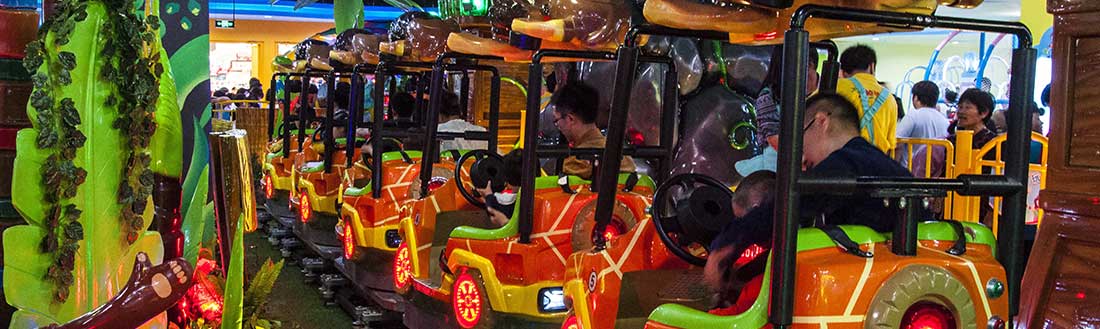
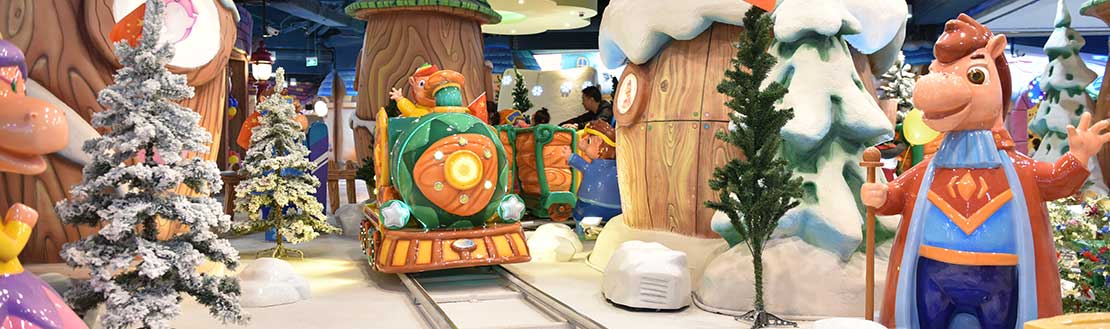
C&Q Amusement's amusement park car ride category includes kids driving school cars suitable for indoor and outdoor interactive play, kiddie go-karts for parent-child driving attractions, and cartoon-style electric cars positioned for large parks including theme parks, botanical gardens, and children's parks.
| Product Type | Best Fit | Customization Direction |
|---|---|---|
| Kids driving school cars | Traffic education parks, indoor/outdoor play zones | City IP, safety education branding, mini road signs |
| Kiddie go-karts | Parent-child driving zones, family attractions | Racing colors, team logos, sports IP |
| Cartoon electric cars | Theme parks, botanical gardens, children's parks | Animal characters, mascot styling, fantasy themes |
| Retro car rides | Cultural parks, vintage streets, resort areas | Classic paint, chrome-look details, old-town branding |
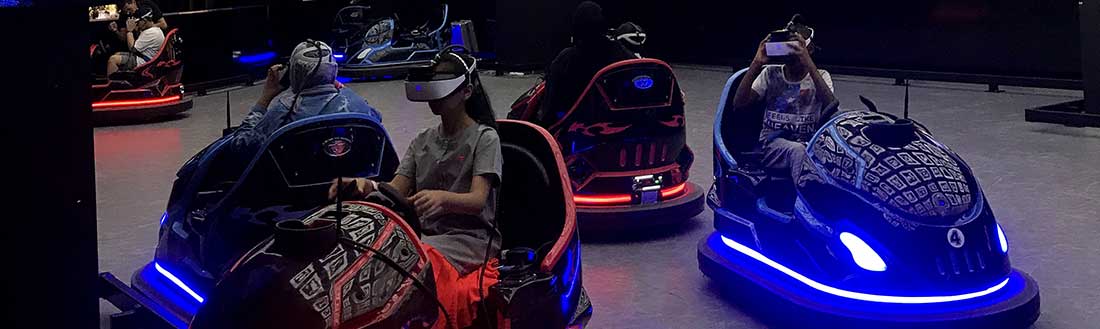
| Futuristic battle cars | Sci-fi parks, adventure zones, IP experiences | Metallic colors, LED lighting, armor-style body panels |
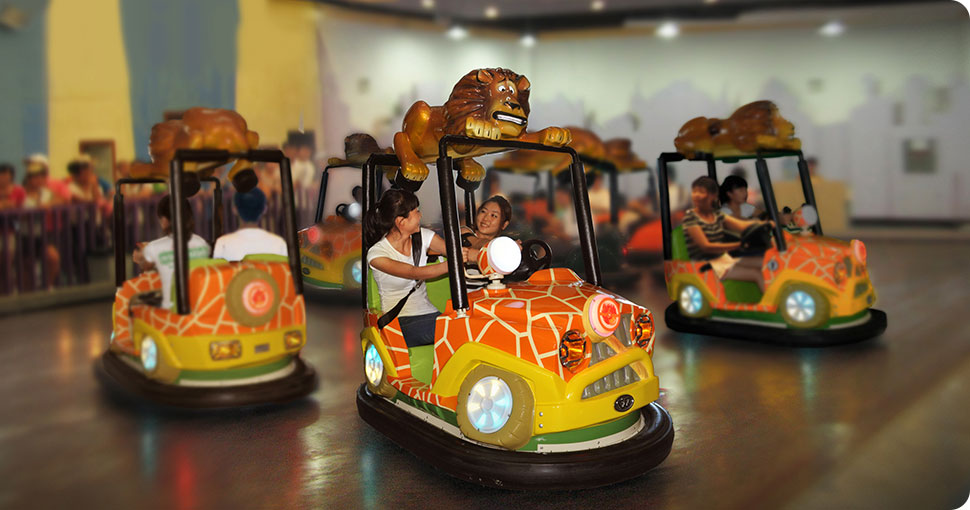
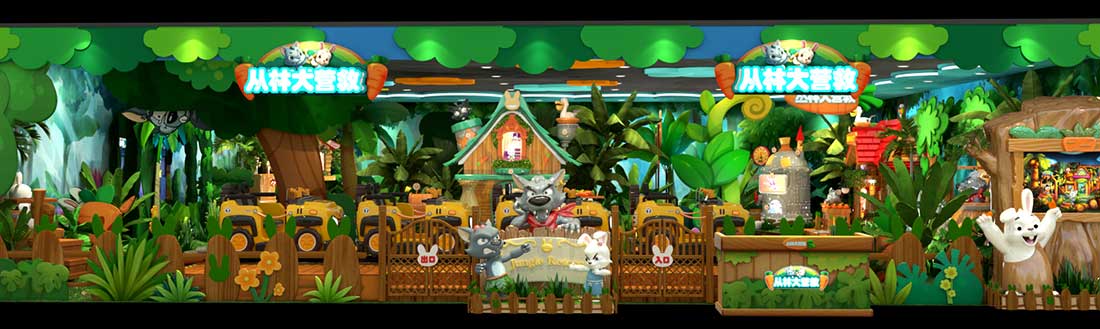
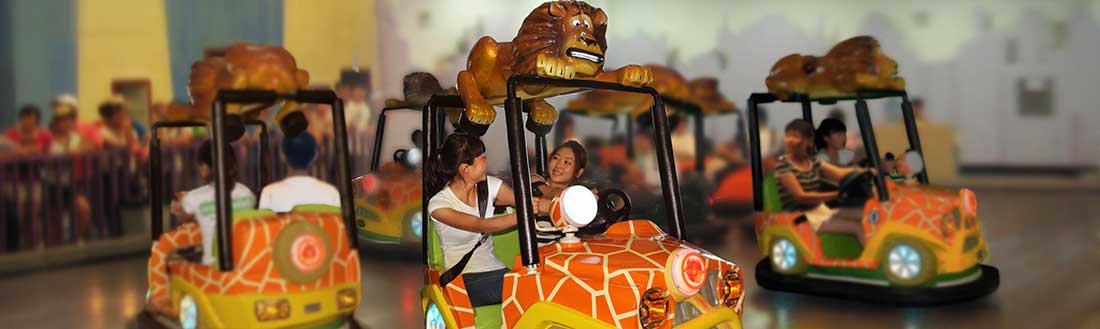
| Safari or rescue cars | Jungle parks, zoo-themed attractions | Animal graphics, off-road styling, ranger theme |
For buyers evaluating custom themed amusement rides, the scope of customization is wider than most expect:
Body color matching to park palette
Logo silk-screen printing on doors, hood, and rear panels
Mascot graphics and IP character decals
Custom vehicle body shell in retro, cartoon, racing, sci-fi, jungle, or fantasy design
Seat color and material matching
Steering wheel and dashboard styling
LED decorative lighting for nighttime operation
Interactive sound buttons and themed audio
Themed signage and queue-area matching
Custom track or driving route concept aligned with the attraction story
C&Q notes that customer IP can be integrated into theme amusement equipment to strengthen theme park differentiation, including styling, colors, and interactive elements aligned with each park's scenario.
The design principle behind effective custom themed amusement rides is straightforward: the ride car should look like it belongs to the story world. When it does, guests do not just ride it—they inhabit it. And when they inhabit it, they photograph it.
A strong themed car design connects five elements simultaneously:
Visual identity — colors, logo, mascot, and graphics that match the park's brand system
Ride environment — the car visually belongs to the track, road signs, scenery, and queue area around it
Guest role-play — the car gives the guest a role: driver, explorer, racer, rescue ranger, space pilot, or jungle hero
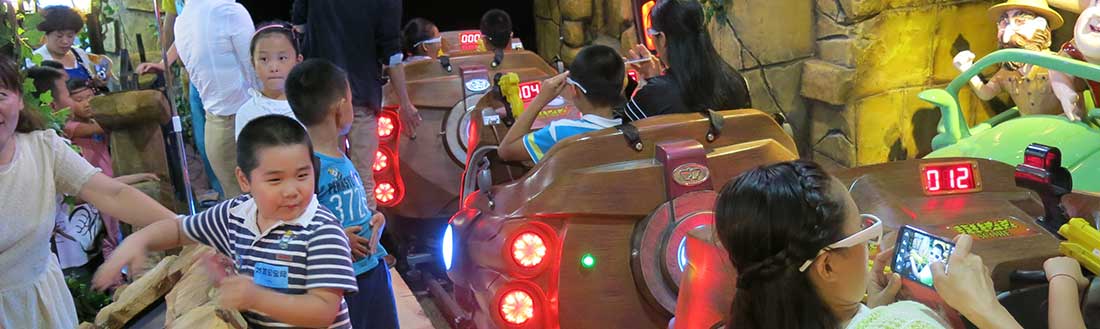
Photo value — the front view, side view, and parent-child seating position are designed for camera moments
Commercial memory — guests remember and share the branded experience, not just the ride sensation
A vintage car shell in cream, burgundy, or dark green with retro road signs, a "Mini Driver License" photo wall at the exit, and old-town storefront scenery creates an instantly recognizable aesthetic that parents want to photograph their children in. The car becomes the prop in a story, not just a vehicle.
An angular body design in metallic silver, black, or neon blue with LED light strips, sci-fi dashboard decals, and a space base or robot-warrior theme creates dramatic visual contrast that photographs well even in low light. Guests share these images because the car looks unlike anything in their everyday environment.
An off-road body shape in green and khaki with ranger logo printing, animal-pattern graphics, and a "Rescue Mission" interactive storyline gives children a narrative to inhabit. The car is not just transportation—it is a costume. Parents photograph their children as junior rangers, and the park's branding appears in every image.
A customized ride car becomes a visitor-generated content asset when it combines:
Strong visual contrast against the surrounding environment
Recognizable IP graphics that identify the park in every photo
Cute or dramatic front-end styling that reads well in a smartphone frame
Logo placement visible in the natural photo angle from the loading area
A safe, designated photo zone near the loading or unloading point
A matching themed background wall that frames the car
A short branded hashtag or slogan that guests can include in captions
When these elements are present, the ride car generates free marketing impressions every time a guest posts. For parks competing in markets where paid digital advertising costs are rising, this organic content value is a meaningful return on the customization investment.
A custom amusement park car should be evaluated as a complete operating product, not just a visual design. For buyers sourcing from an OEM amusement park car manufacturer, the full component specification determines whether the car performs reliably across thousands of daily operating cycles.
| Component | What to Check | Why It Matters |
|---|---|---|
| Vehicle body shell | Shape, material, color, finish quality | Determines IP appearance and long-term durability |
| Electric drive system | Motor, battery, speed control, charging method | Affects operation cost and ride consistency |
| Steering system | Ease of use, turning radius, control stability | Important for children and family users |
| Seat and restraint | Seat belt, comfort, size, passenger capacity | Supports guest safety and satisfaction |
| Branding surface | Logo position, silk-screen quality, decal durability | Makes the car a moving brand display |
| Lighting and sound | LED effects, music, interactive sound buttons | Adds immersion and interactive play value |
| Track or site layout | Indoor/outdoor route, safety barriers, queue flow | Affects throughput and guest experience |
| Control system | Speed limit, emergency stop, staff override | Supports safe daily operation |
| Maintenance access | Battery access, tire replacement, electrical inspection | Reduces downtime and service cost |
| Weather protection | UV resistance, moisture protection, outdoor finish | Critical for outdoor park environments |
Safe operation of electric cars in amusement park environments requires clear protocols built into both the vehicle design and the operating procedure. Key safety elements include seat belt systems appropriate for the target age group, speed limiting controls that prevent unsafe operation, staff control override capability, clear height and age guidance for each vehicle type, and physical barriers that keep non-riders away from the operating area. C&Q's safety guidelines include fastening seat belts, following staff instructions, observing height, age, weight, and health requirements, keeping visitors out of the track or site, and ensuring children understand safe riding behavior.
For buyers evaluating an OEM amusement park car manufacturer, the relevant capabilities extend beyond the car itself. Buyers should assess the manufacturer's ability to translate IP design files into production-ready body graphics, maintain color consistency across a multi-vehicle order, produce custom body shells for unique design concepts, provide documentation for local safety inspection requirements, and support after-sales service for parts and maintenance. C&Q presents over 20 years of experience designing and producing amusement park cars for driving school and go-kart applications, with customization, technical help, after-sale service, and R&D listed as service categories.

Custom-themed amusement park cars serve a wide range of commercial entertainment environments:
Theme parks requiring IP-consistent ride vehicles across multiple zones
Family entertainment centers building parent-child interactive attractions
Children's parks developing traffic education or character-themed driving experiences
Shopping mall attractions needing compact, visually striking ride vehicles
Scenic area attractions adding mobility entertainment to natural or cultural sites
Resort entertainment zones creating branded guest experiences
Botanical gardens adding family-friendly ride attractions
Zoo-themed parks building animal-character ride vehicles
Indoor playgrounds requiring safe, compact electric ride cars
Cultural tourism parks developing heritage-themed driving attractions
IP-themed commercial streets creating branded photo-stop attractions
Seasonal event venues needing flexible, visually impactful ride vehicles
| Buyer Goal | Recommended Custom Direction |
|---|---|
| Build a children's driving school | Mini city cars, road signs, traffic education IP |
| Create a photo-friendly attraction | Cartoon car faces, mascot decals, bright colors |
| Improve parent-child engagement | Two-seat electric cars, simple controls, family theme |
| Build a racing zone | Go-kart styling, racing numbers, team colors |
| Match cultural tourism IP | Retro cars, old-town colors, heritage patterns |
| Create sci-fi immersion | Futuristic car shell, LED lighting, metallic finish |
| Build outdoor park mobility fun | Cartoon electric cars, durable finish, easy charging |
| Strengthen brand differentiation | OEM body design, logo printing, themed route planning |
Strengthens theme park IP identity across every guest touchpoint
Creates recognizable visual assets that guests photograph and share
Supports organic social media exposure through visitor-generated content
Improves attraction differentiation from competing parks and FECs
Adds storytelling depth to simple driving experiences
Supports both indoor and outdoor project planning with appropriate specifications
Creates parent-child interactive experiences that drive repeat visitation
Makes ride zones easier to market through distinctive visual identity
Supports custom themed amusement rides procurement requirements
Provides OEM amusement park car manufacturer solutions for branded fleet builds
Before placing a custom order, buyers should clarify:
What is the park's IP theme, and what visual assets are available for customization?
Is the car for indoor, outdoor, or mixed operation?
What age group will ride the cars, and what safety specifications apply?
Is the attraction self-driving, track-guided, or staff-supervised?
How many passengers per vehicle are required?
What vehicle speed limit is appropriate for the site and age group?
What battery life and charging cycle are needed for the operating schedule?
What body style is required: retro, cartoon, racing, jungle, futuristic, or custom IP?
Where should logos and brand graphics be placed for maximum photo visibility?
What safety standards and local amusement ride regulations apply?
How will the attraction encourage visitor photos and social sharing?
What spare parts and after-sales support are needed for long-term operation?
Before contacting C&Q Amusement, prepare the following:
Park type and attraction concept
Target guest age range
Indoor/outdoor operating environment
Required vehicle quantity
Passenger capacity per car
Desired car body style and theme direction
Brand colors and logo files in print-ready format
Mascot or IP character design files
Custom graphics requirements
Battery capacity and charging requirements
Site layout or track layout dimensions
Expected hourly guest capacity
Safety and certification requirements
Packaging and shipping destination
Installation support requirements
Spare parts plan and after-sales service expectations
Opening date or project deadline
Consistent maintenance protects both guest safety and the visual quality of the branded vehicle:
Inspect seat belts and restraints at the start of every operating day
Check battery charging status before operation and maintain charging area cleanliness
Inspect tires, wheels, steering, and brakes on a regular schedule
Clean the body shell after daily operation to maintain brand appearance
Avoid harsh chemicals that may damage decals, silk-screen logos, or painted surfaces
Check LED lights, sound devices, and interactive buttons for function
Inspect wiring and connectors according to the manufacturer's maintenance schedule
Repair scratched paint or damaged branding graphics promptly to maintain IP presentation
Keep spare batteries, tires, belts, and control components available for fast replacement
Train staff to guide children and parents on safe riding behavior before each session
Record all maintenance and safety inspections in a daily log
In the immersive entertainment market of 2026, amusement park cars that look generic are a missed opportunity at every level—brand, commercial, and social. The parks that are winning the guest experience competition are the ones that treat every touchpoint, including the ride vehicle, as part of a coherent IP story. A custom-designed electric car in amusement park environments does not just move guests—it gives them a role to play, a photo to take, and a memory to share.
For operators building new attractions, upgrading existing ride fleets, or developing IP-themed zones, C&Q Amusement provides the customization capability, manufacturing experience, and after-sales support to turn a standard ride vehicle into a branded guest experience asset.
Contact C&Q Amusement to discuss your theme park IP, car body concept, color palette, logo printing requirements, electric drive specifications, site layout, guest age group, safety needs, and OEM customization plan. C&Q Amusement has over 20 years of experience designing and producing amusement park cars, and supports customized amusement park equipment development to integrate customer IP into ride styling, colors, and interactive elements.
Q1: What are amusement park cars?
Amusement park cars are ride vehicles used in theme parks, children's parks, family entertainment centers, scenic areas, and indoor and outdoor attractions. They include kids driving school cars, go-karts, cartoon electric cars, and themed ride vehicles designed for guest entertainment and brand immersion.
Q2: Why customize electric cars in amusement park projects?
Customized electric cars match the ride vehicle to the park's IP, colors, logo, mascot, and story world. This improves guest immersion, creates photo opportunities, strengthens brand recognition, and generates organic social media sharing that generic vehicles cannot produce.
Q3: What customization options are available for amusement park cars?
Common options include body color matching, logo silk-screen printing, mascot and IP character decals, custom body shell design, LED decorative lighting, themed dashboards, interactive sound effects, seat color matching, and scene-matching track or route decoration.
Q4: How can custom amusement park cars generate social media traffic?
A visually distinctive ride car becomes a guest photo destination when it combines recognizable IP design, strong visual contrast, cute or dramatic styling, visible branding in the natural photo angle, and a safe designated photo area. Guests share these images, creating free branded impressions for the park.
Q5: What should buyers check when choosing an OEM amusement park car manufacturer?
Check design and customization capability, safety configuration, electric drive quality, battery performance, body material durability, logo printing quality, indoor and outdoor suitability, installation support, spare parts availability, after-sales service, and references from comparable park projects.
 English
 中文
中文